

If you have ever seen headlines announcing that a company is doing a stock split, you may have wondered what it actually means. Does it make shareholders richer? Does it change the value of the company? Why do stock splits generate so much excitement?
This stock split explained guide breaks the concept down in simple language, with no financial background required.
Whether you are curious about how stock ownership works or looking for a unique gift idea, understanding stock splits can help you appreciate one of the most talked-about moments in a company’s history.
What Is a Stock Split?
A stock split happens when a company increases the number of shares owned by its existing shareholders while proportionally reducing the price of each individual share.
Imagine that you own one pizza cut into four slices. If you cut every slice in half, you now have eight slices, but you still have the same amount of pizza.
That is the basic stock split meaning. The ownership is divided into more pieces, but the total value does not change simply because of the split.
For example:
- Before a 2-for-1 stock split: You own one share worth approximately $200.
- After the stock split: You own two shares worth approximately $100 each.
In this example, your total ownership value remains approximately $200. You have more shares, but each share represents a smaller portion of the same company.
How Stock Splits Work
Understanding how stock splits work is easier when you look at the split ratio. A company may announce a split using terms such as:
- 2-for-1 stock split: Every one share becomes two shares.
- 3-for-1 stock split: Every one share becomes three shares.
- 4-for-1 stock split: Every one share becomes four shares.
If you own shares before the split takes effect, your brokerage account will generally reflect the new number of shares automatically. You normally do not need to purchase anything additional or complete a special transaction.
Think of it like exchanging one $20 bill for two $10 bills. You have more individual pieces, but the total amount remains the same.
To learn more about companies, shares, certificates, and ownership, visit GiveAshare’s detailed stock information resource .
Why Do Companies Do Stock Splits?
A stock split does not automatically change the company’s total value, so why would a business decide to split its shares? Companies may have several reasons.
To Make Individual Shares More Accessible
As a company grows over time, the price of one share may become high. A stock split lowers the price of each individual share by dividing the existing ownership into more shares.
This can make the idea of owning a share feel more approachable to employees, customers, fans, gift buyers, and first-time shareholders.
To Increase Public Visibility
Stock split announcements often attract attention from business media, shareholders, employees, and the general public.
They can become major corporate news because they mark a visible change in how the company’s ownership is divided. That attention can introduce more people to the idea of becoming a shareholder.
To Mark an Important Company Milestone
Companies sometimes announce stock splits after a period of growth or after the share price has increased substantially.
A split does not predict future results, but it can become a symbolic chapter in the company’s history. For shareholders, employees, and brand enthusiasts, that can make the event feel worth celebrating.
What Happens to Shareholders After a Stock Split?
For existing shareholders, a stock split is generally straightforward. After the split:
- You own more shares.
- Each share has a proportionally lower price.
- Your percentage of ownership in the company remains the same.
- The total value of your holdings generally remains unchanged immediately because of the split itself.
Nothing disappears, and the shareholder does not lose ownership. The same ownership interest is simply divided into a larger number of shares.
That is why many shareholders see stock splits as memorable ownership milestones rather than complicated financial events.
Why Stock Splits Create Ownership Buzz
Stock splits often generate excitement beyond traditional financial circles. Announcements may appear in:
- Business and financial news
- Company announcements
- Employee communications
- Social media discussions
- Conversations among customers and brand fans
The excitement comes from the story surrounding the event. A stock split can highlight a memorable chapter in a company’s journey and renew public interest in what it means to own part of a business.
For someone who has followed a favorite company for years, a split may feel like an ideal moment to become a shareholder. For an existing shareholder, it can be another milestone in a long-term ownership story.
How Gifting Stock During a Split Creates a Meaningful Moment
A stock split can also inspire a meaningful and timely gift. Giving stock during an important corporate milestone connects the recipient to a specific moment in the company’s history.
Unlike many traditional presents, a stock split gift can offer:
- A real ownership experience
- A tangible keepsake
- A memorable connection to a favorite brand
- A conversation starter about companies and shareholders
- An opportunity to encourage financial literacy
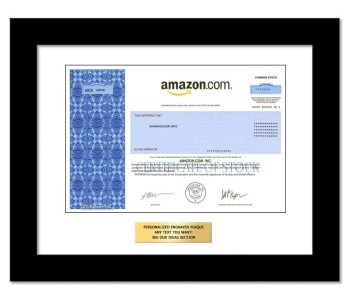
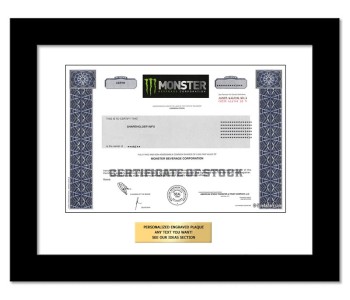
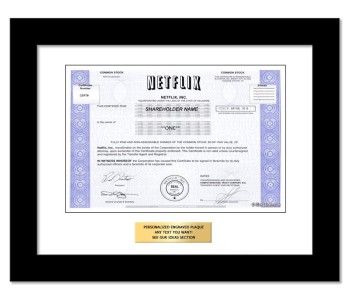
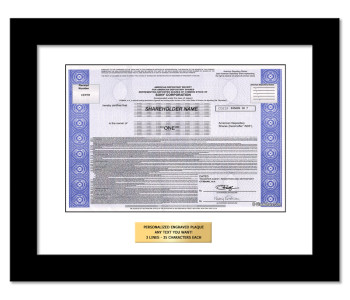
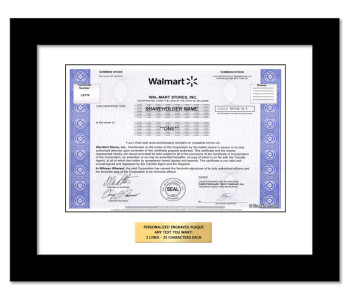
GiveAshare helps turn stock ownership into a giftable experience. A recipient can receive a real share where available, along with a beautifully presented stock certificate or a high-quality replica certificate when a company no longer issues physical certificates.
Explore the one share with a stock certificate gift experience or browse all available stock gifts to find an ownership gift connected to a company the recipient knows and admires.
Stock Splits Can Become Educational Moments
For parents, grandparents, teachers, and mentors, a stock split can provide a simple way to introduce basic ownership concepts.
A stock split can lead to beginner-friendly conversations about:
- What a shareholder owns
- How a company divides ownership
- Why share prices change after a split
- How companies mark important milestones
- Why long-term ownership can be meaningful
These ideas become more engaging when the recipient owns an actual share. Instead of discussing a company only in the abstract, the recipient has a personal connection to the business.
That combination of ownership, celebration, and curiosity can make a stock gift especially memorable for birthdays, graduations, holidays, career achievements, and family milestones.
Frequently Asked Questions About Stock Splits
Does a stock split make shareholders richer?
Not automatically. Immediately after a stock split, the total value of a shareholder’s ownership generally remains approximately the same. The shareholder owns more shares, but each share has a proportionally lower price.
Does a stock split change the value of the company?
The split itself does not change the company’s overall value. It changes the number of shares and the approximate price per share, similar to dividing the same pie into more slices.
Why do people get excited about stock splits?
Stock splits can represent an important moment in a company’s history. They often generate news coverage, attract attention to the company, and encourage people to think about what it means to become a shareholder.
Do shareholders need to take action during a stock split?
Typically, no. Eligible shareholders generally see the updated number of shares reflected automatically in their brokerage accounts after the split becomes effective.
Can stock be given as a gift during a stock split?
Yes. Gifting stock during a split can connect the recipient to a timely ownership milestone. It can be especially meaningful for someone who follows the company, works for the business, loves the brand, or is learning about stock ownership.
Where can I learn more about giving stock?
Visit GiveAshare’s frequently asked questions for more information about purchasing, gifting, presenting, and receiving a stock gift.
Celebrate Ownership Moments With GiveAshare
Stock splits are more than financial headlines. They are memorable corporate milestones that can introduce new people to the excitement of ownership.
Whether you are celebrating a birthday, graduation, holiday, retirement, career achievement, or a favorite company’s latest chapter, a stock gift creates a tangible connection that ordinary gifts cannot match.
Celebrate the next ownership moment by giving one share of stock as a lasting and meaningful gift.
Start by exploring one share with a stock certificate or browse GiveAshare’s complete collection of stock gifts today.


Write a comment