
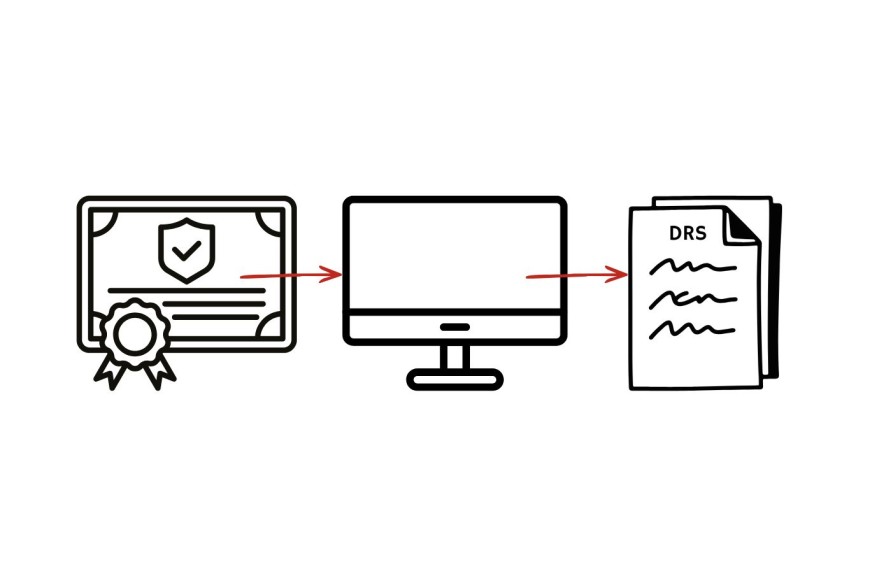
Understanding how stock ownership works is one of the most important parts of financial literacy. When most people think about owning stock, they picture a brokerage account and a number on a screen. But there is another way to hold shares that connects more directly to the idea of true ownership.
This is where Direct Registration of Shares (DRS) comes in.
In this guide, we will provide a beginner-friendly explanation of DRS, how it works, and why ownership structure matters—especially when thinking about stock as a meaningful gift, keepsake, or first step into shareholder education.
What Is Direct Registration of Shares (DRS)?
Direct Registration of Shares, often called DRS, is a method of holding stock where shares are registered directly in the owner’s name on the company’s official records.
Instead of being held through a brokerage firm, directly registered shares are recorded by the company’s transfer agent. The transfer agent is the organization responsible for maintaining shareholder records.
In simple terms:
- DRS means your name is officially listed as the shareholder.
- The company’s transfer agent keeps the ownership record.
- You have a more direct ownership connection to the company.
This is an important concept for anyone learning how stock ownership works. It helps explain the difference between simply seeing shares in an online account and being formally recorded as a shareholder.
How the Direct Registration System Works
The direct registration system is easier to understand when broken into simple steps.
- A person acquires shares of stock.
- The shares are registered in that person’s name.
- The company’s transfer agent records the shareholder information.
- The shareholder receives confirmation of ownership.
With DRS, ownership is not centered around a trading account. Instead, the focus is on the official shareholder record.
That distinction matters because stock ownership is not just about buying and selling. It can also be about learning, identity, legacy, and connection to a company.
For more educational background on stock ownership, shareholder records, and available companies, visit GiveAshare’s Detailed Stock Information page.
Brokerage Ownership vs. Registered Ownership
To understand DRS meaning clearly, it helps to compare it with the most common way people hold stocks today: through a brokerage account.
Brokerage Ownership
When shares are held in a brokerage account, they are often held in what is known as “street name.” This means the brokerage or its nominee appears on the company’s records, while the customer is considered the beneficial owner.
Brokerage ownership is common because it is convenient. It allows people to buy, sell, and manage shares online. For many investors, this structure is familiar and practical.
However, it also creates some distance between the individual and the company’s official shareholder record.
Registered Ownership Through DRS
With direct registration, the shares are recorded directly in the shareholder’s name through the company’s transfer agent.
This means the owner is listed as the registered shareholder. From an educational standpoint, this can make the idea of ownership easier to understand.
Instead of “I have stock in an account,” the message becomes: “I am a registered shareholder.”
Why Stock Ownership Registration Matters
At first, the difference between brokerage-held shares and directly registered shares may sound technical. But for beginners, families, students, and gift recipients, it can be very meaningful.
It Makes Ownership Easier to Understand
Direct registration helps make stock ownership feel more concrete. A shareholder can understand that their name is connected to the company’s records.
That can be especially powerful for first-time shareholders or young people learning about business and money for the first time.
It Reinforces Shareholder Identity
Being a shareholder is more than owning a financial asset. It can also be a point of pride, curiosity, and connection.
For example, a child who receives one share of a familiar company may begin asking questions such as:
- What does this company make?
- How does a shareholder own part of a company?
- What does it mean to be on the ownership record?
Those questions can open the door to lifelong financial literacy.
It Creates a More Tangible Experience
One reason GiveAshare focuses on stock gifting is that ownership becomes more memorable when it is paired with something physical and personal.
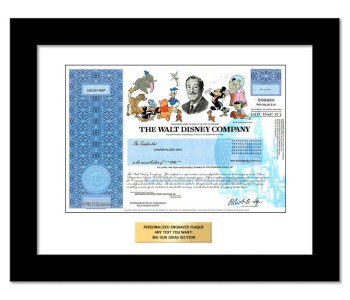
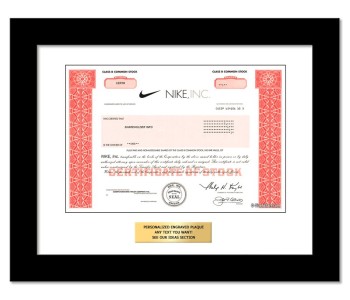
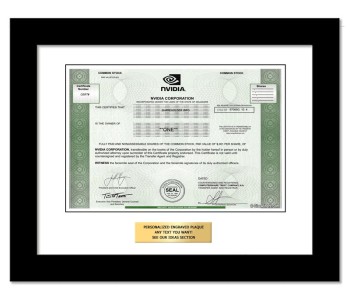
A One Share with Stock Certificate gift can turn an abstract financial concept into a framed keepsake that celebrates ownership.
That physical presentation helps make the gift feel special. It is not just a line item in an account. It is a reminder of a birthday, graduation, holiday, achievement, or meaningful family moment.
DRS and the Gift of Ownership
DRS connects naturally with the idea of stock gifting because both emphasize ownership identity.
When someone receives stock as a gift, the experience can be much more meaningful than receiving money or a typical present. It says:
- You are an owner.
- You are connected to a real company.
- You have something that can teach, inspire, and last.
This is why stock gifts are often used for milestone occasions, including:
- Birthdays
- Graduations
- New baby gifts
- Holidays
- Employee recognition
- Retirement celebrations
GiveAshare is not providing investment advice. Stocks mentioned are examples of popular brands available as gifts.
Why DRS Is Useful for Financial Literacy
Financial literacy often begins with simple, memorable concepts. Direct registration is one of those concepts because it helps people understand what stock ownership actually represents.
Instead of focusing on stock charts, price movements, or complex investing strategies, DRS brings the conversation back to the basics:
- What is a share?
- Who keeps track of ownership?
- What does it mean to be a shareholder?
- How can ownership be documented?
These are foundational questions. They help beginners build confidence without needing to understand complicated financial terminology.
That is also why GiveAshare emphasizes education, stock certificates, and the experience of becoming a shareholder. The goal is not to provide investment advice. The goal is to make ownership understandable, memorable, and giftable.
Frequently Asked Questions About DRS
What does DRS mean?
DRS stands for Direct Registration System. It refers to a way of holding shares directly in the shareholder’s name through the company’s transfer agent.
What is direct registration of shares explained simply?
Direct registration of shares means your shares are recorded directly in your name on the company’s shareholder records, rather than being held only through a brokerage account.
Is DRS the same as having a stock certificate?
No. DRS and stock certificates are related to ownership documentation, but they are not the same thing. DRS is an electronic registration method. A stock certificate is a physical or replica representation of ownership, depending on the company and product.
Do all companies offer physical stock certificates?
No. Many companies no longer issue traditional physical certificates. GiveAshare helps create a tangible ownership experience through available stock gift options and framed certificate presentations.
Can directly registered shares be sold?
Yes, but the process may differ from selling shares through a brokerage account. Shareholders should follow the instructions provided by the transfer agent or consult the appropriate account provider.
Is GiveAshare providing investment advice?
No. GiveAshare does not provide investment advice, stock recommendations, or market predictions. Its focus is on stock gifting, shareholder education, and creating tangible ownership experiences.
Where can I learn more?
Visit the GiveAshare FAQs page for additional information about stock gifts, ownership, and related questions.
Direct Registration Brings Ownership Into Focus
The key idea behind direct registration is simple: ownership can be recorded directly in the shareholder’s name.
That may sound like a small distinction, but it can make stock ownership easier to understand and more meaningful—especially for someone receiving stock for the first time.
In a world where many financial experiences are fully digital, DRS helps bring attention back to the person behind the ownership record. It supports the idea that being a shareholder is not just about numbers. It is about identity, education, and connection.
Give the Gift of Real Ownership
Stock gifting turns financial literacy into a personal experience. Whether for a child, graduate, employee, family member, or lifelong fan of a favorite company, a stock gift can create a lasting ownership moment.
Explore GiveAshare’s One Share with Stock Certificate gifts and give someone more than a present. Give them ownership, identity, and a keepsake they can remember for years.


Write a comment