

Teaching children about money often starts with simple lessons like saving an allowance or opening a piggy bank. But for many families, gifting stock to a child can become an even more meaningful financial literacy experience — one that introduces ownership, long-term thinking, and real-world learning.
If you’ve ever wondered how a child can legally own stock, the answer usually involves something called a custodial account.
In this guide, we’ll explain what a custodial account is, how it works, why families use them, and how gifting stock can create a memorable moment for kids and teens.
GiveAshare is not providing investment advice. Stocks mentioned are examples of popular brands available as gifts.
What Is a Custodial Account?
A custodial account is a financial account that an adult manages on behalf of a minor child until the child reaches legal adulthood.
Because children under 18 typically cannot open brokerage accounts in their own name, custodial accounts provide a legal way for them to own assets like stocks, ETFs, cash, or other investments.
The adult who manages the account is called the “custodian,” while the child is the “minor” or beneficiary.
Once the child reaches the age of majority — usually 18 or 21 depending on the state — control of the account transfers fully to them.
Custodial accounts are commonly established under laws called:
- UGMA: Uniform Gifts to Minors Act
- UTMA: Uniform Transfers to Minors Act
You may hear people refer to them simply as “UGMA accounts” or “custodial brokerage accounts.”
How Does a Custodial Account Work?
A custodial account is relatively straightforward.
Here’s the basic process:
- An adult opens the account for a child
- Assets are deposited into the account
- The custodian manages the account until adulthood
- The child gains full ownership when they come of age
The key detail is that the assets legally belong to the child once gifted into the account.
The custodian can manage the investments and make decisions while the child is young, but the funds must ultimately benefit the child.
For example, parents or grandparents may open custodial accounts to:
- Gift stock shares
- Save for future education expenses
- Introduce investing concepts
- Create long-term family traditions
- Celebrate birthdays, graduations, or holidays
Many families use custodial accounts as an educational tool rather than focusing purely on financial value.
Why Are Custodial Accounts Used for Minors?
Custodial accounts solve an important legal issue: minors generally cannot directly own or trade securities independently.
Instead of waiting until adulthood, custodial ownership allows children to begin learning about ownership much earlier.
That early exposure can have a lasting impact.
Children who receive stock gifts often become more curious about:
- How companies work
- Brand loyalty
- Business ownership
- Saving and long-term thinking
- Dividend reinvestment
- Financial responsibility
For example, a child who receives one share of a recognizable company may suddenly pay attention to products they use every day in an entirely new way.
That connection between ownership and learning is one reason stock gifting has become increasingly popular for birthdays, baby gifts, graduations, Christmas, holidays, Bar and Bat Mitzvahs, first communions, and college milestones.
For families interested in educational ownership gifts, GiveAshare offers a wide selection of stocks for kids designed to make financial literacy engaging and memorable.
What Is the Difference Between UGMA and UTMA Accounts?
People often use the terms interchangeably, but there are small differences between UGMA and UTMA accounts.
UGMA Accounts
UGMA accounts typically allow assets such as:
- Stocks
- Bonds
- Mutual funds
- Cash
UTMA Accounts
UTMA accounts can often hold:
- All UGMA assets
- Real estate
- Additional property types
In practice, many stock gifts for children are held through standard custodial brokerage accounts operating under UGMA or UTMA rules.
The exact rules can vary by state, including age of account transfer, eligible asset types, and tax treatment.
Families should always review their local regulations or consult a qualified tax or legal professional for guidance specific to their situation.
How Does Gifting Stock to a Child Work?
Gifting stock to a child combines financial education with a tangible keepsake experience.
Traditionally, stock ownership felt abstract — numbers on a screen or statements in the mail. But framed stock certificates can transform ownership into something visual and meaningful.
At GiveAshare, many families choose to gift:
- One share of stock
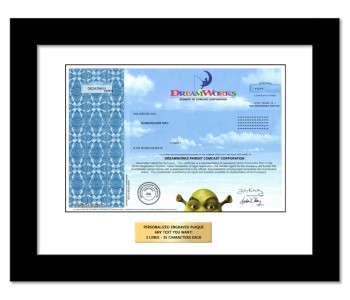
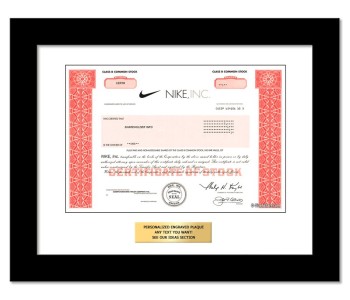
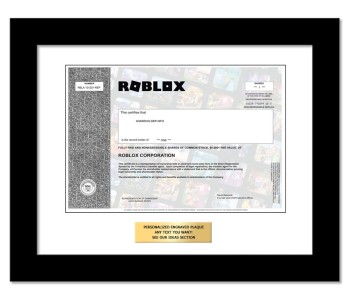
- A framed replica stock certificate
- Educational ownership gifts for children and teens
These gifts often become milestone memories that children keep for years.
For example:
- A grandparent may gift stock at birth
- Parents may celebrate a graduation with ownership in a favorite brand
- Godparents may choose stock instead of traditional toys or cash gifts
The goal is often bigger than the stock itself.
It’s about creating a moment where a child begins to understand: “I own a piece of something real.”
Families can learn more through GiveAshare’s Guide for Buying Stocks for Kids, which explains the process in simple terms.
Why Tangible Ownership Matters for Kids
Children learn best through experiences they can see and touch.
That’s one reason physical stock certificates are so powerful.
A tangible certificate displayed in a bedroom or study area can become:
- A conversation starter
- A long-term keepsake
- A reminder of family encouragement
- An introduction to financial literacy
Unlike many traditional gifts that are quickly forgotten, ownership gifts often grow in emotional significance over time.
Many parents also appreciate that stock gifting encourages patience, curiosity, responsibility, goal-setting, and learning about businesses and the economy.
These lessons can help children build confidence around money and ownership early in life.
To explore tangible ownership gifts, visit GiveAshare’s One Share with Stock Certificate page.
What Happens When the Child Becomes an Adult?
When the child reaches the legal transfer age for the account, control passes from the custodian to the child.
At that point:
- The account legally belongs to the child
- The former minor controls future decisions
- The assets remain theirs permanently
This transition can become another meaningful milestone moment — especially for teens entering adulthood, college, or early careers.
It can also reinforce an important lifelong lesson: ownership comes with responsibility.
Frequently Asked Questions About Custodial Accounts
Can grandparents open custodial accounts?
Yes. Parents, grandparents, relatives, and other adults can often open custodial accounts for minors depending on the brokerage’s policies.
Does the child legally own the stock?
Yes. Once assets are placed into a custodial account, they generally become the legal property of the child.
What age does a custodial account transfer?
This varies by state but commonly occurs at age 18 or 21.
Can stock certificates still be gifted physically?
Yes. GiveAshare specializes in one share gifts with stock certificates and replica certificates that create tangible ownership experiences.
Is gifting stock a good educational gift?
Many families believe stock gifting encourages financial literacy, ownership thinking, and long-term learning in a memorable way.
Where can I learn more about stock gifting?
Helpful resources include the GiveAshare FAQs, Detailed Stock Information, and the Guide for Buying Stocks for Kids.
Creating a Meaningful Ownership Moment
A custodial account is more than just a financial tool. For many families, it’s a bridge between generations — a way to introduce children to ownership, responsibility, and financial literacy through a meaningful gift.
Whether it’s a first birthday, graduation, holiday, or special milestone, gifting stock can create a lasting memory that extends far beyond the moment the gift is opened.
GiveAshare makes it easy to turn stock ownership into a tangible experience with framed certificates and educational gifts designed to inspire curiosity and lifelong learning.
Explore GiveAshare’s collection of stock gifts and create an ownership moment that a child may remember for decades.


Write a comment